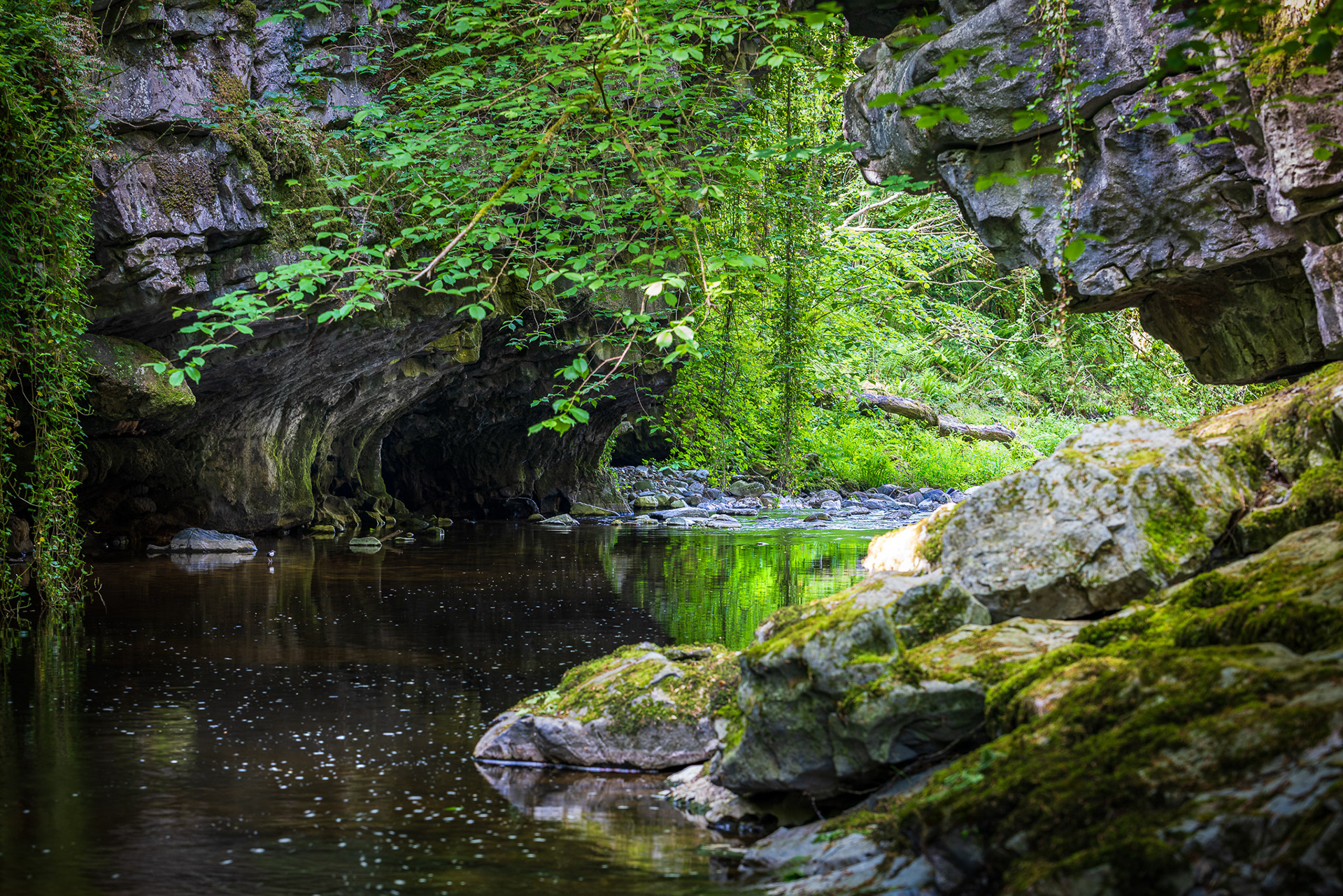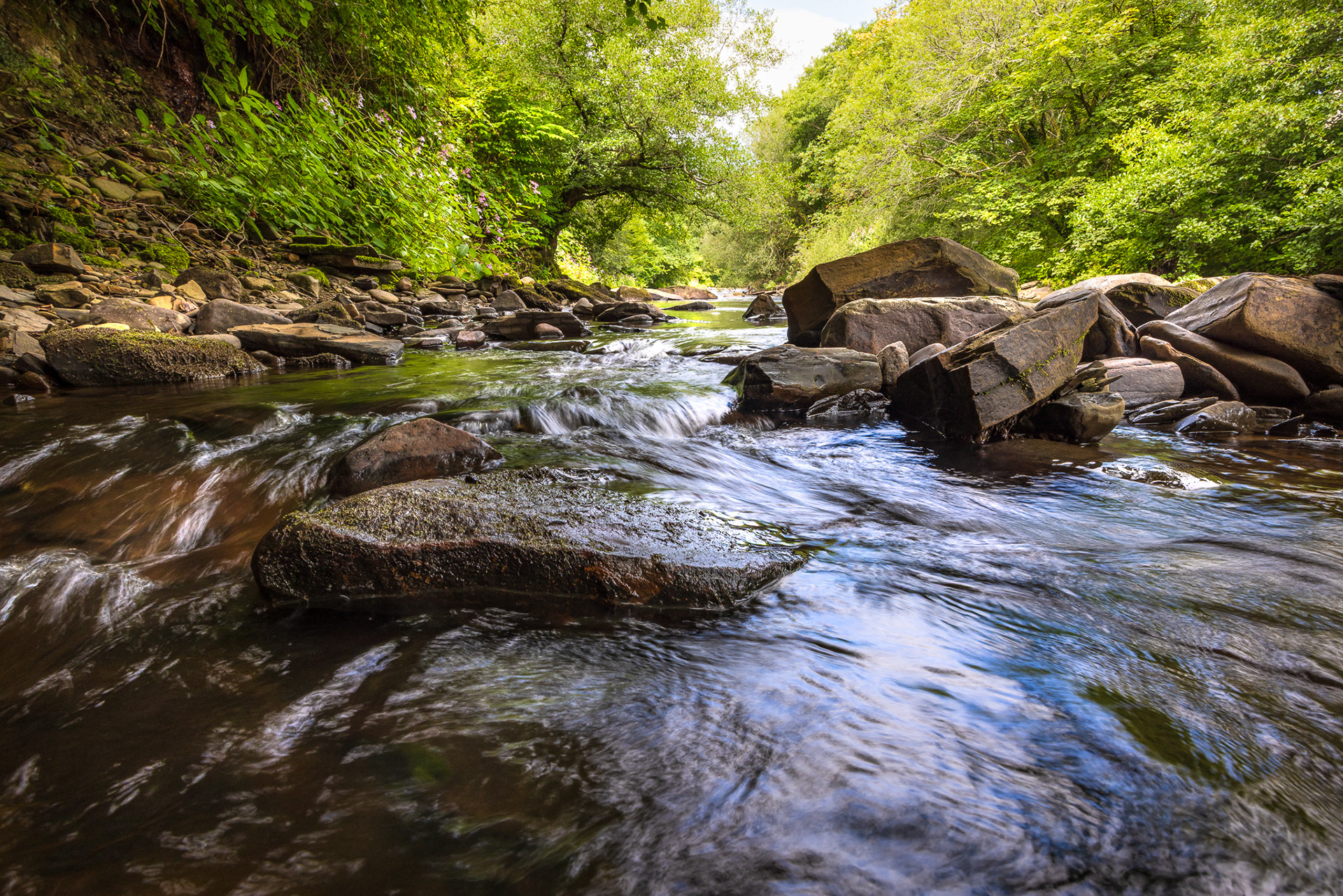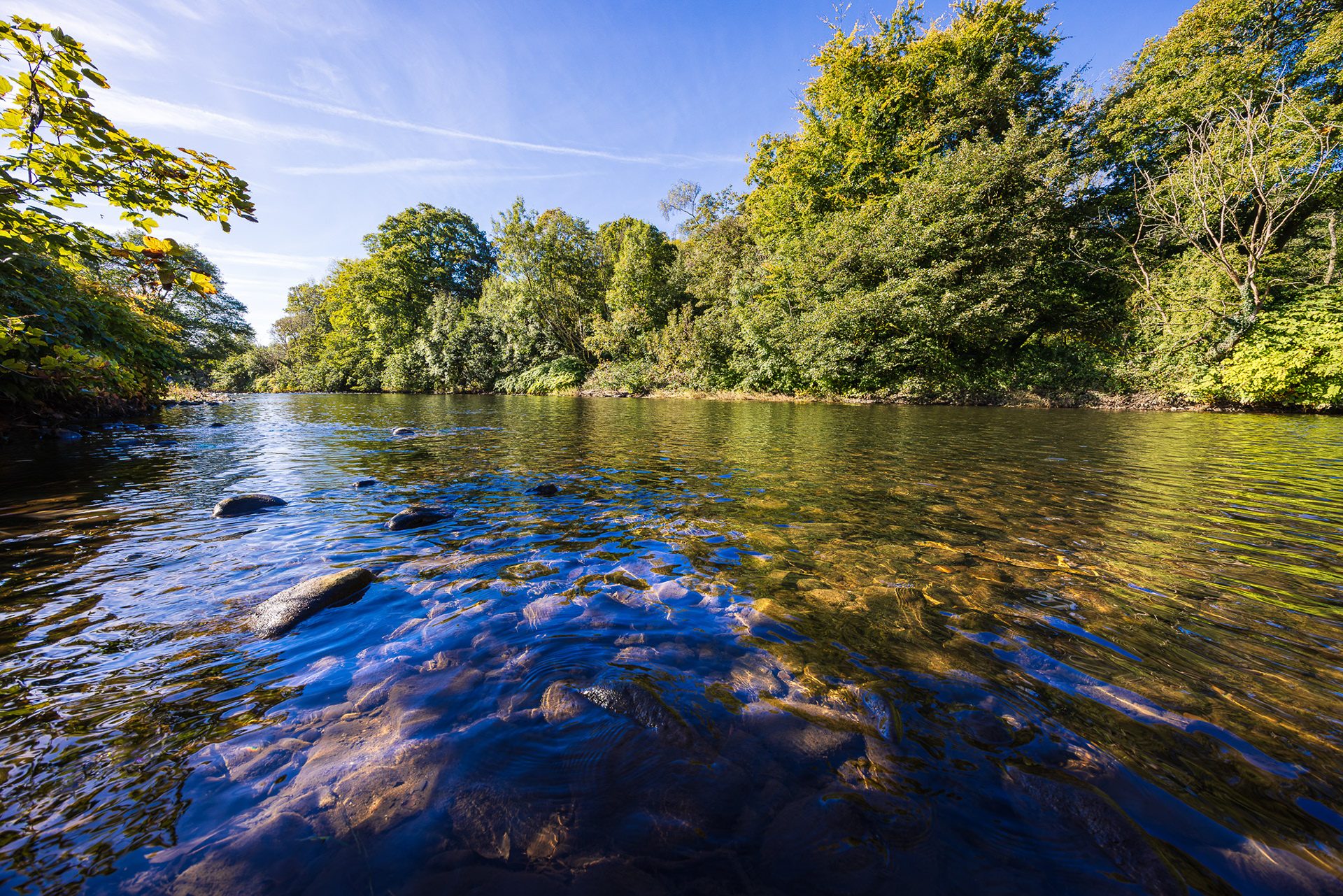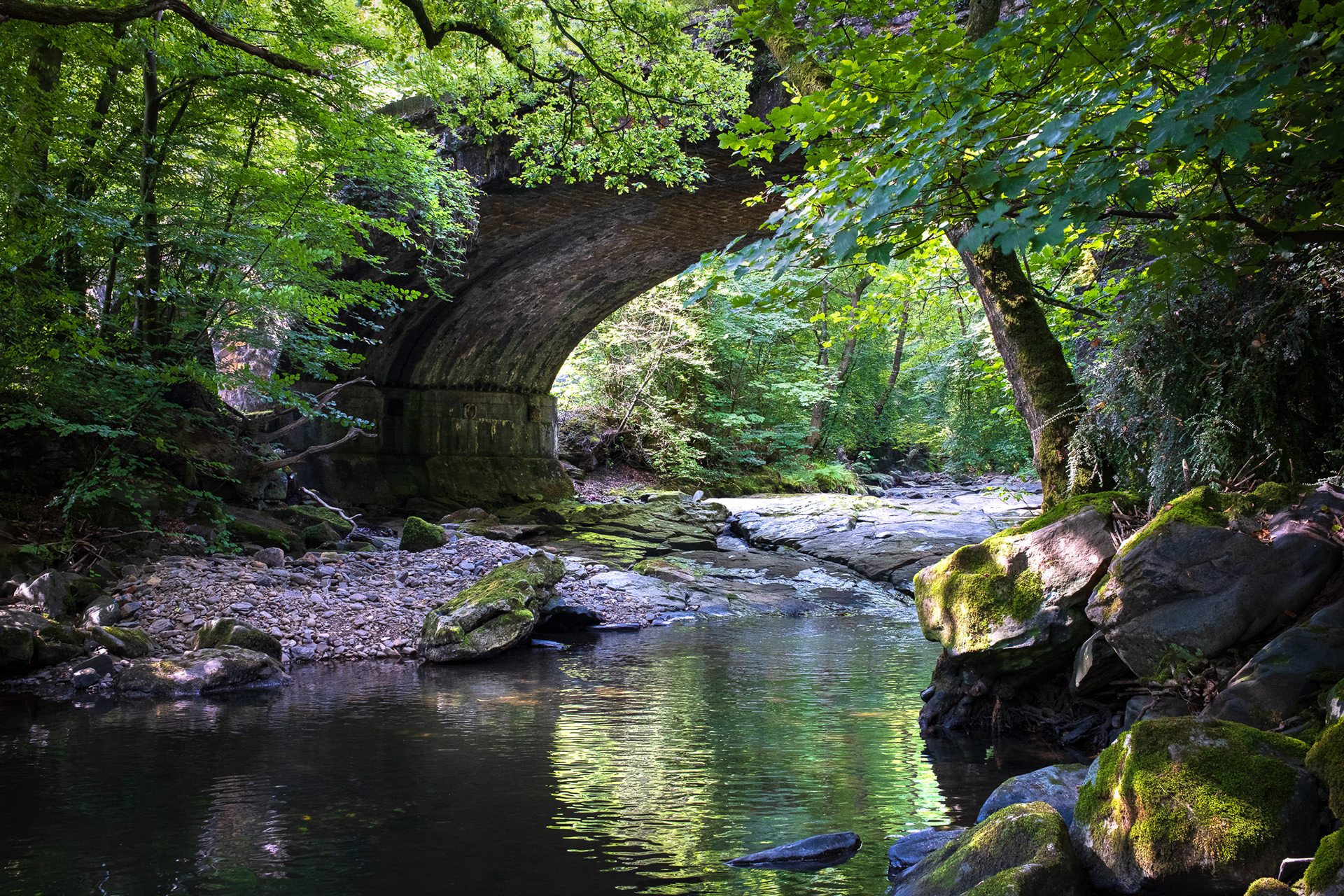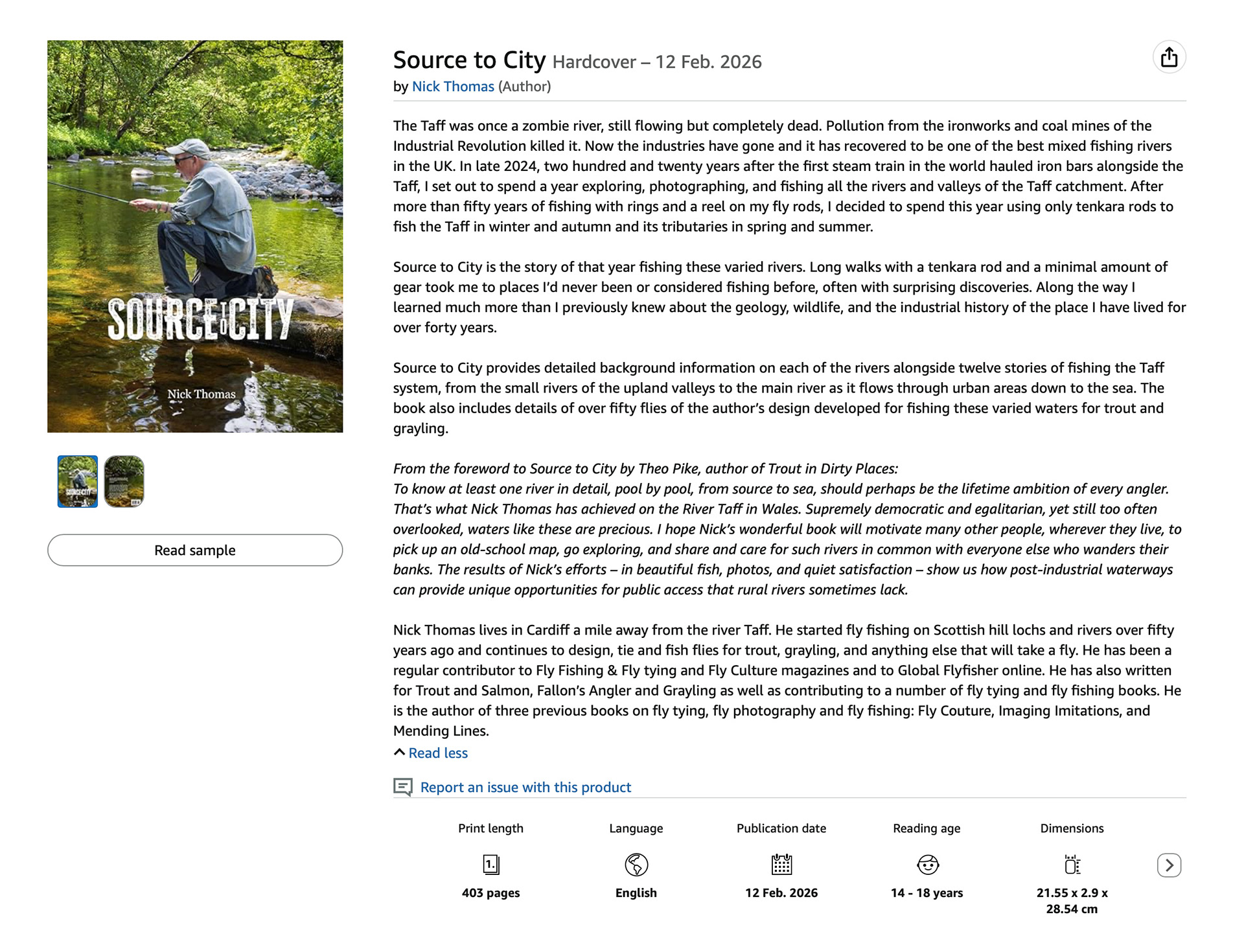

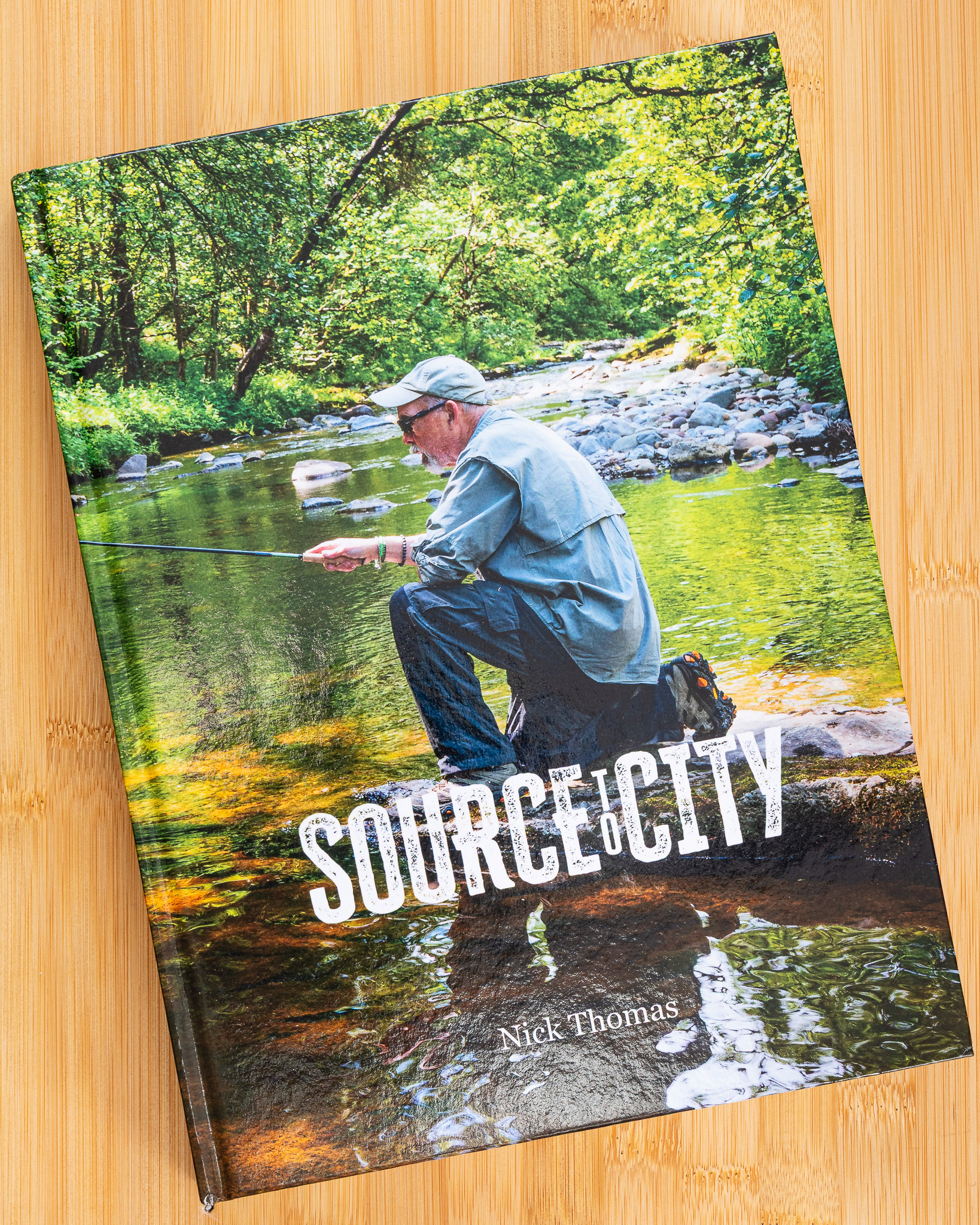
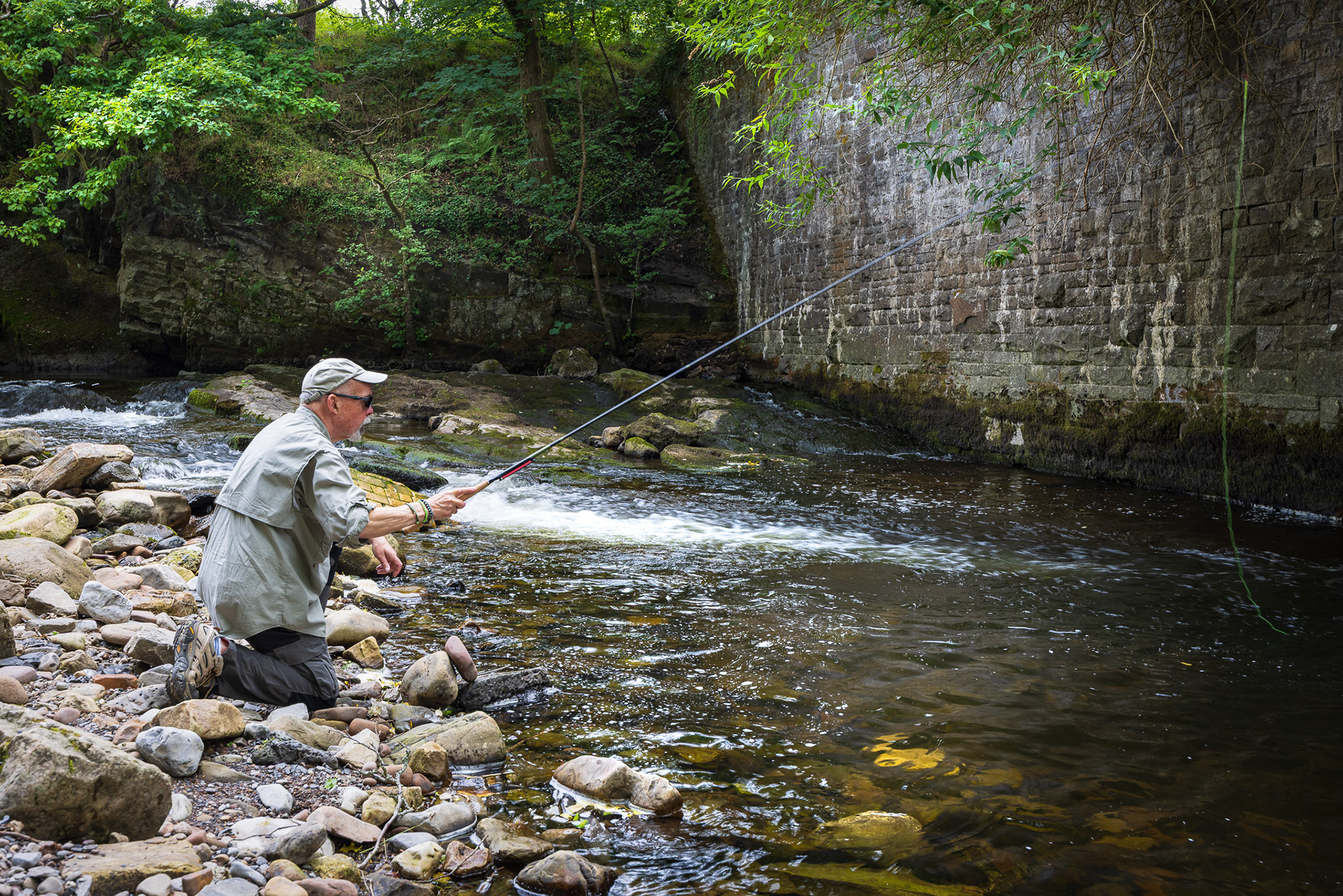
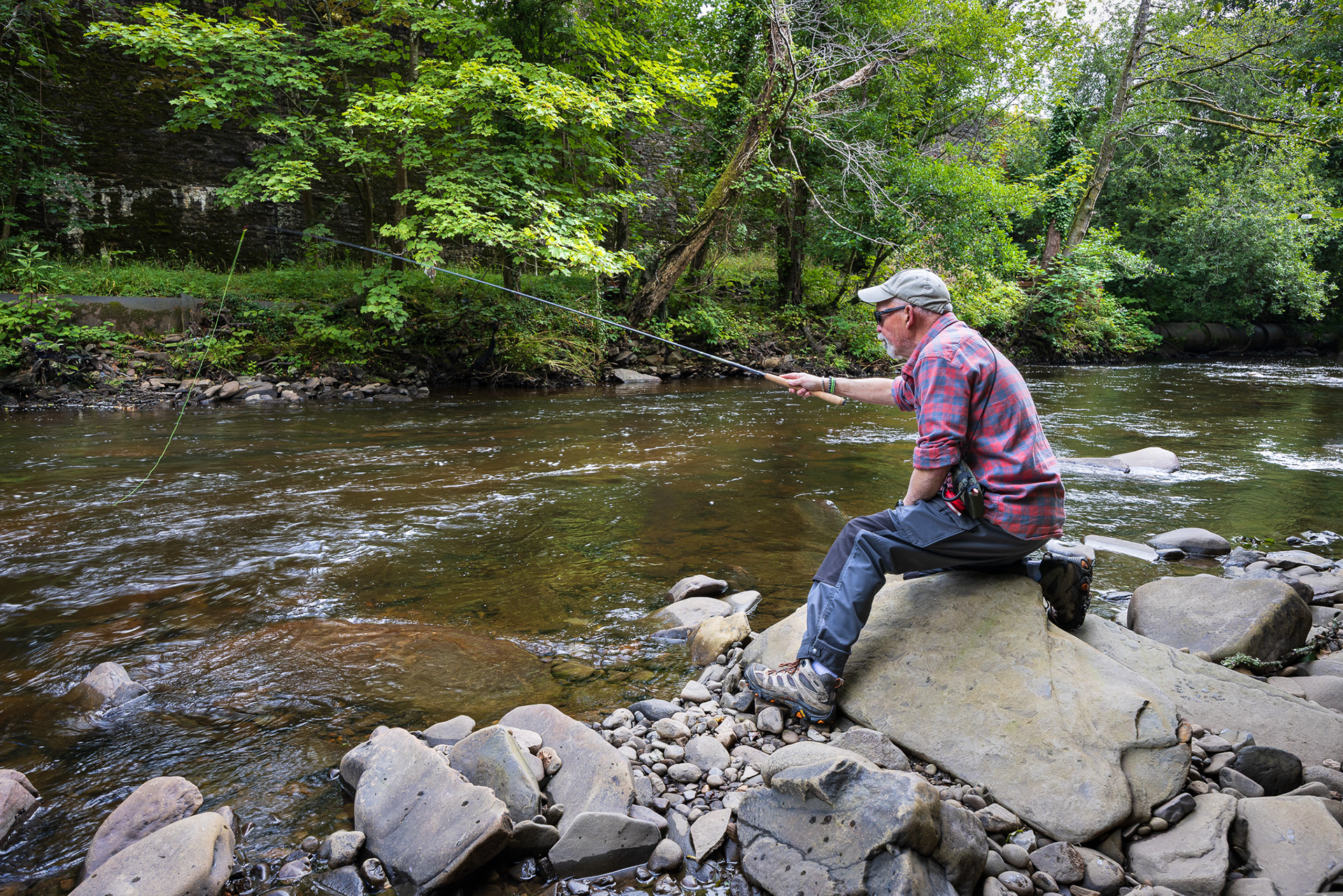
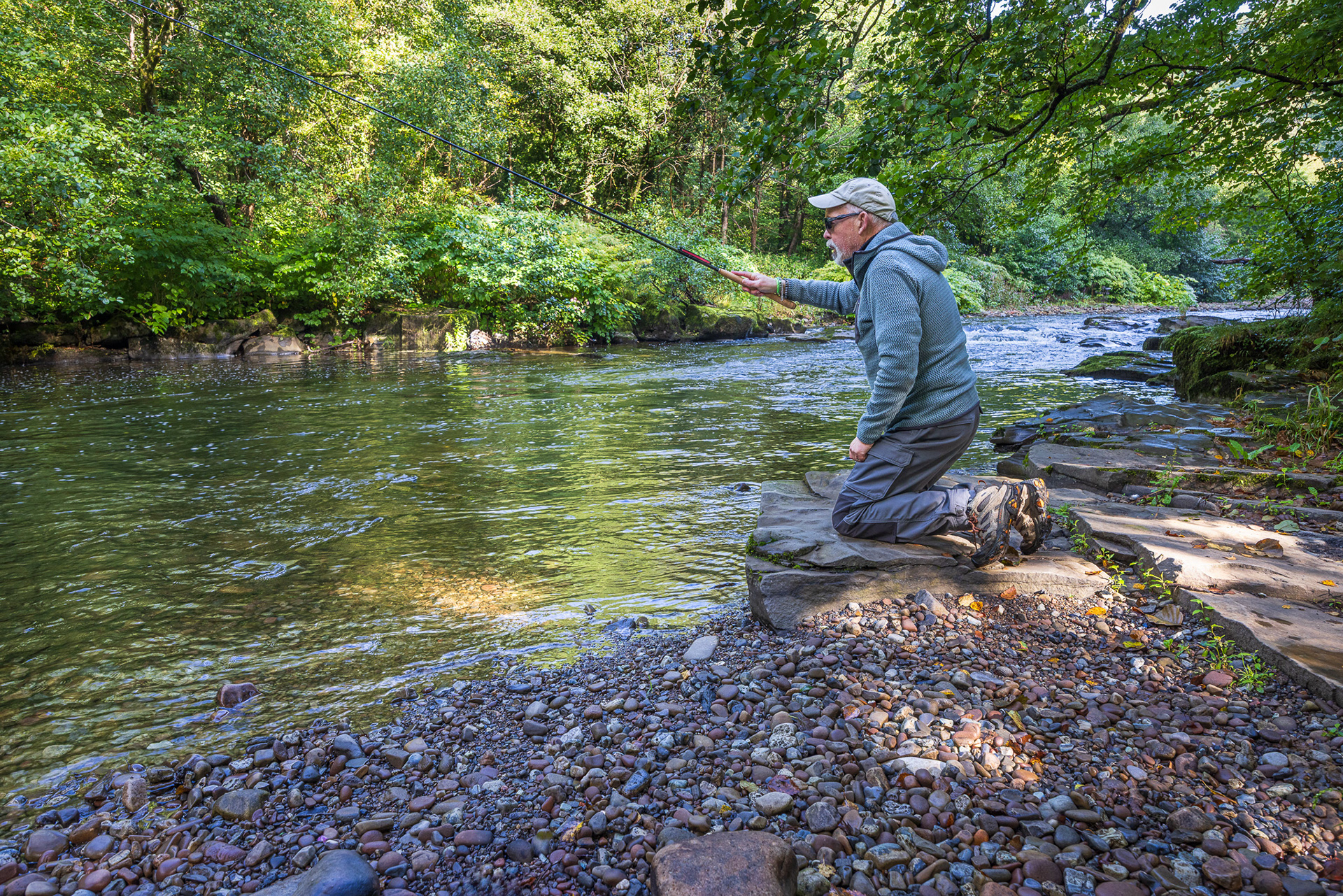
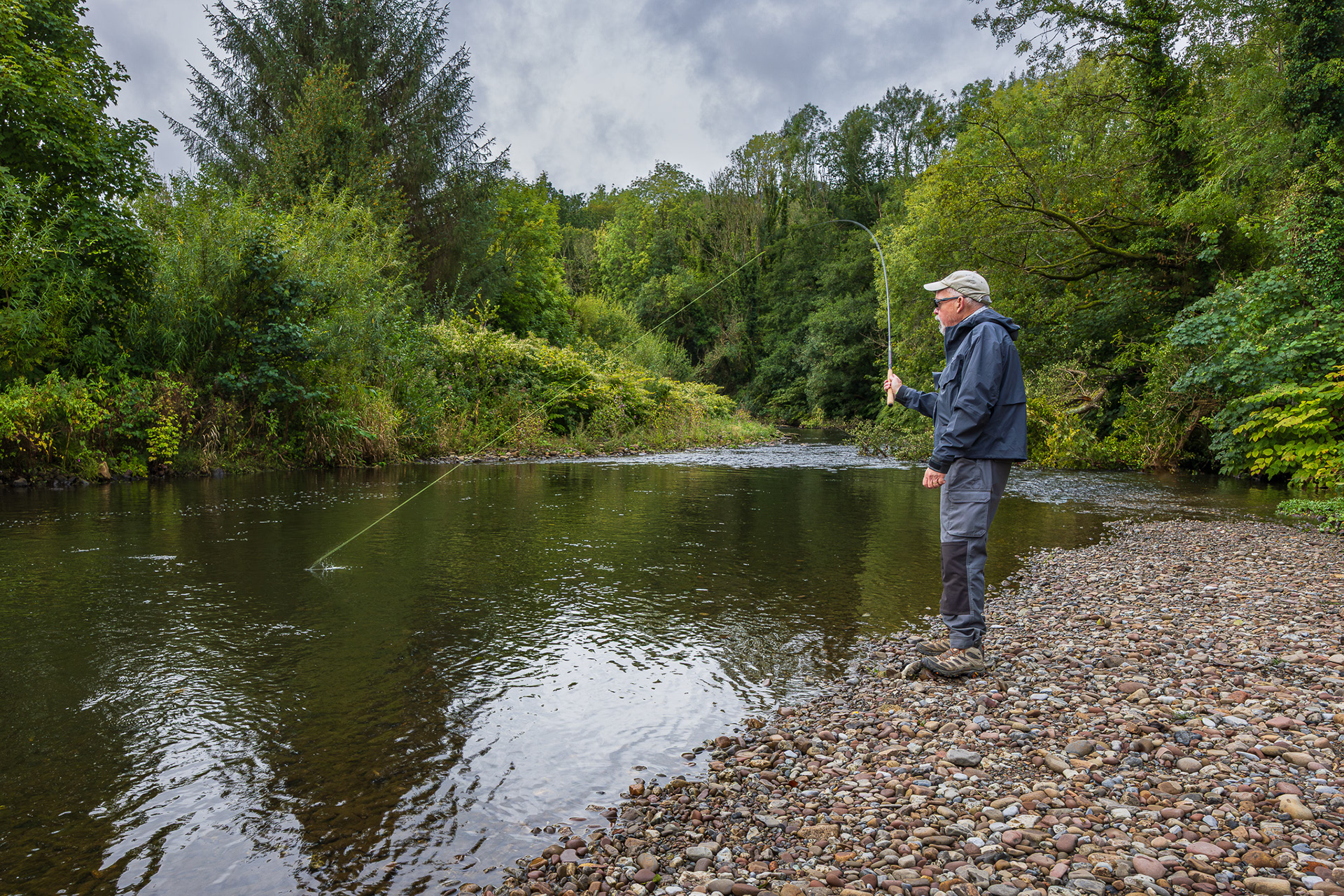
At a time in the development of fly fishing when there is such a complexity of gear available, I decided to try simplifying things. So, after more than fifty years of fishing with rings and a reel on my fly rods, I decided to spend a year using only tenkara rods for all my fishing on rivers and streams. I would explore all the rivers and streams of the Taff catchment in south Wales fishing both new and familiar water.
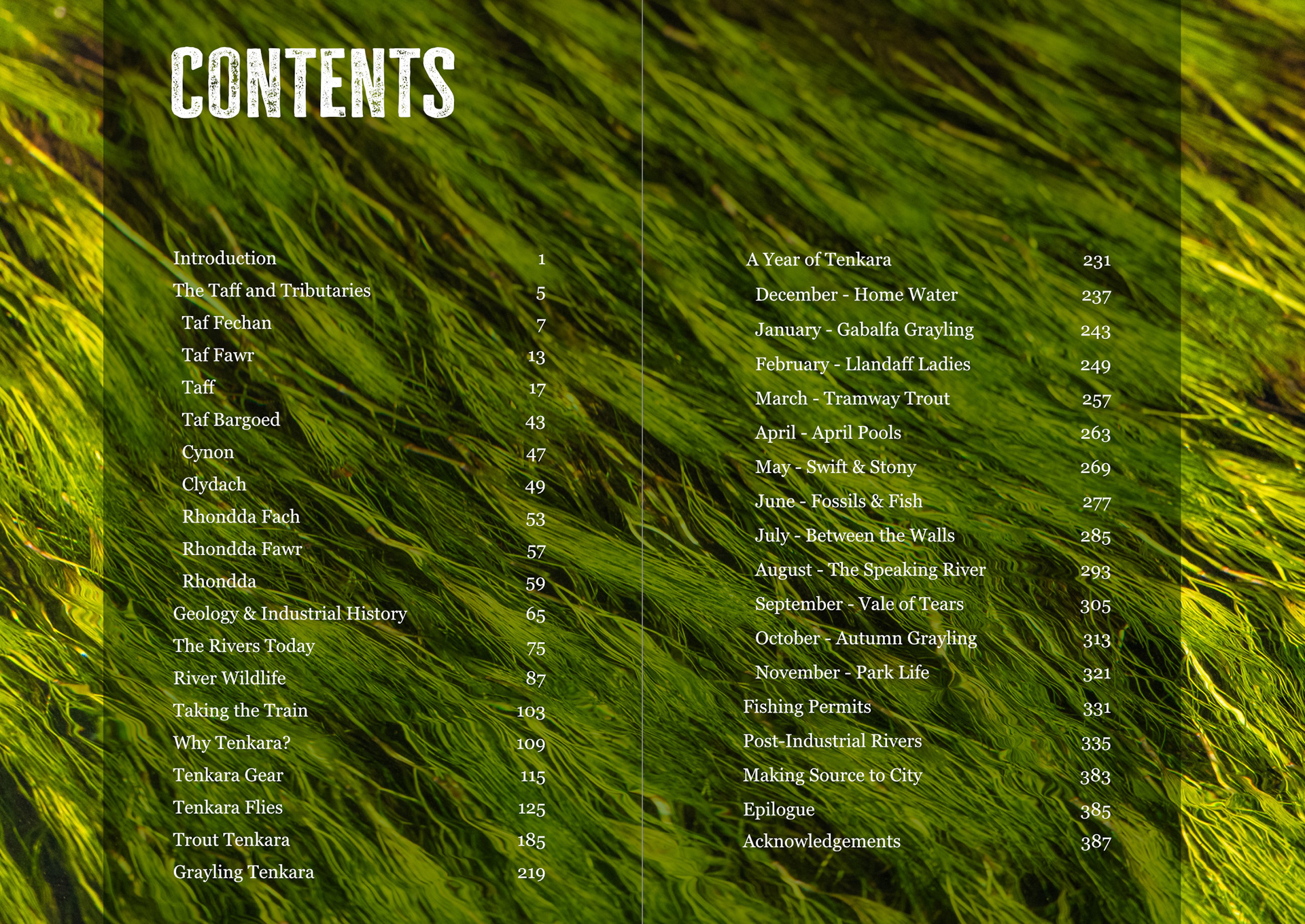
This is the story of that year fishing these varied rivers from source to city. Going on long walks with a tenkara rod and a minimal amount of gear took me to places I’d never been or considered fishing before, often with surprising discoveries. Along the way I learned much more than I previously knew about the geology, wildlife, and the industrial history of the place I have lived for over forty years.
The Taff was once a zombie river, still flowing but completely dead. Pollution from the ironworks and coal mines of the Industrial Revolution killed it. Now the industries have gone and it has recovered to be one of the best mixed fishing rivers in the UK. In late 2024, two hundred and twenty years after the first steam train in the world hauled iron bars alongside the Taff, I set out to spend a year exploring, photographing, and fishing all the rivers and valleys of the Taff catchment. After more than fifty years of fishing with rings and a reel on my fly rods, I decided to spend this year using only tenkara rods to fish the Taff in winter and autumn and its tributaries in spring and summer.
Source to City is the story of that year fishing these varied rivers. Long walks with a tenkara rod and a minimal amount of gear took me to places I’d never been or considered fishing before, often with surprising discoveries. Along the way I learned much more than I previously knew about the geology, wildlife, and the industrial history of the place I have lived for over forty years.
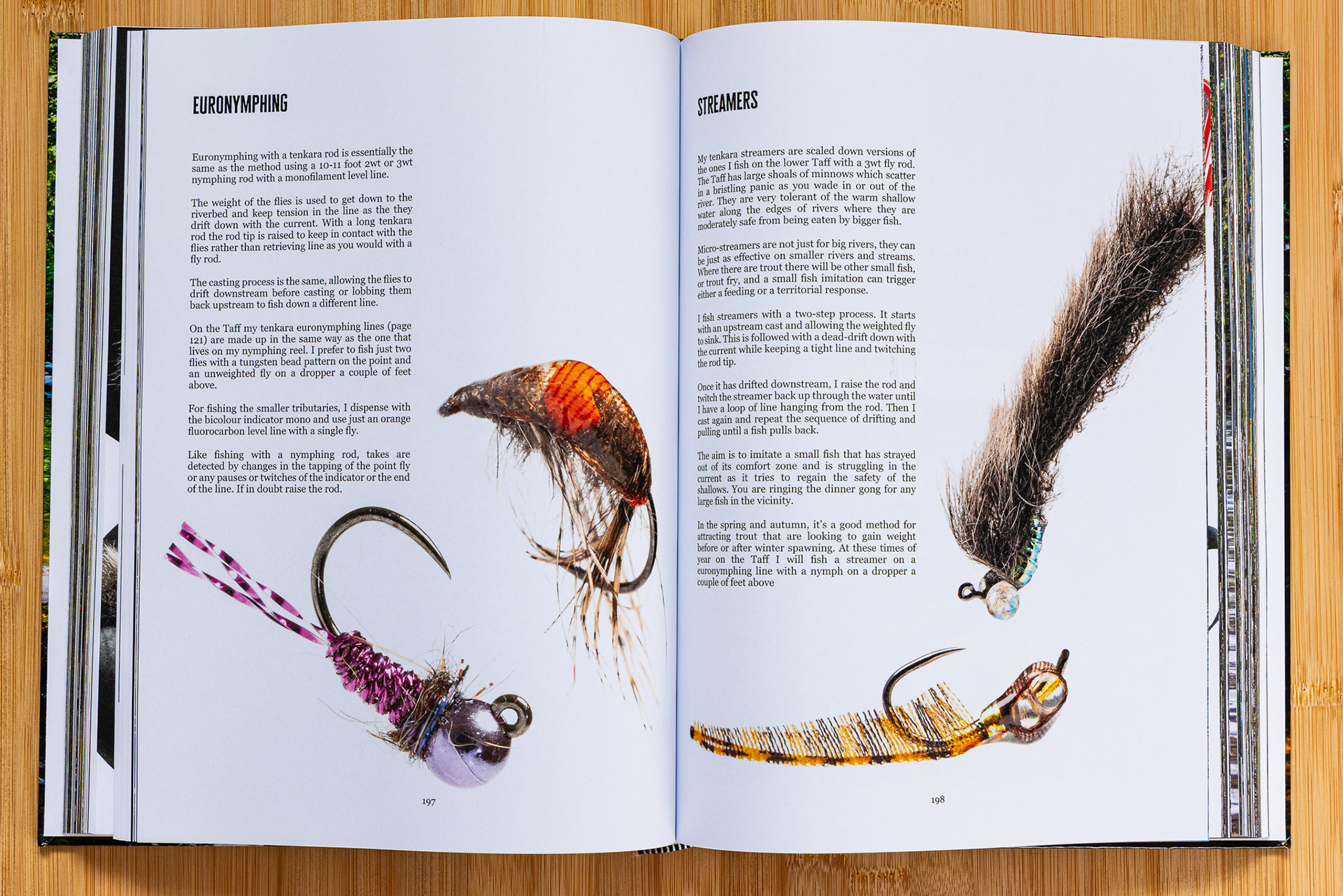
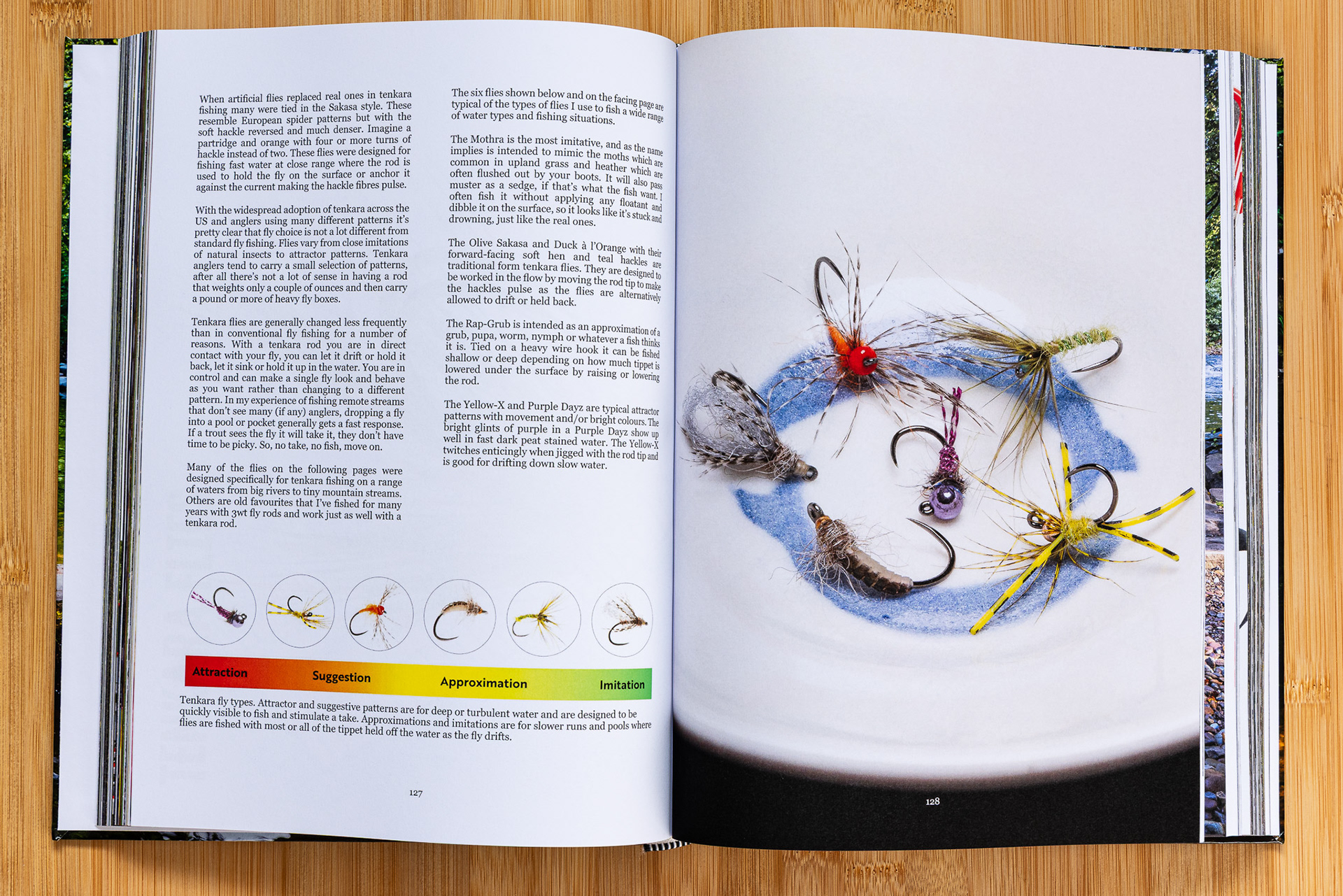
Source to City provides detailed background information on each of the rivers alongside twelve stories of fishing the Taff system, from the small rivers of the upland valleys to the main river as it flows through urban areas down to the sea. The book also includes details of over fifty flies of the author’s design developed for fishing these varied waters for trout and grayling.
Foreword by Theo Pike, author of Trout in Dirty Places
To know at least one river in detail, pool by pool, from source to sea, should perhaps be the lifetime ambition of every angler. And that’s what Nick Thomas has achieved on the River Taff in Wales.
Many readers of this book will already have encountered its author as an unusually creative fly-tyer, with a supernatural talent for crafting novel fly patterns from offbeat materials, before photographing them luminously for international magazines and websites, his own previous books, and several other collaborations.
As proved in all those works, he’s also a fluent, engaging and generous writer. And now, it’s our collective good fortune that he has focused these skills on his home river catchment – via the volume you’re holding right now.
As Source to City reminds us, the Taff is a truly post-industrial waterway. Post-industrial in the sense that the old heavy industries of coal and steel that once thronged and polluted its banks have closed, packed up and moved away, devastating local communities, but leaving the river to heal its wounds and struggle towards a new identity.
Not long ago, after all, this valley and its river were literally hell on earth. Thanks to deep-layered circumstances of Carboniferous geology – seams of coal, deposits of iron ore, interbedded strata of limestone – all the elements were present to power south Wales’s part of the Industrial Revolution, complete with a fast-flowing river for cooling and sweeping away mine washings, sewage and every other kind of waste.
When I was writing my own book about post-industrial rivers, I came across some truly apocalyptic descriptions of the Merthyr Tydfil area as it once was. But I only had space to quote one or two of them, so I’m glad to see that Nick has really leant into this aspect of the Taff’s history. For current context, he has also found and photographed many remaining fragments of industrial infrastructure, half-forgotten but haunting the landscape, making the valley’s past still easily ‘visitable’ (in the memorable terminology of our fellow urban river fan and environmental colleague Paul Gaskell) if you know where to look.
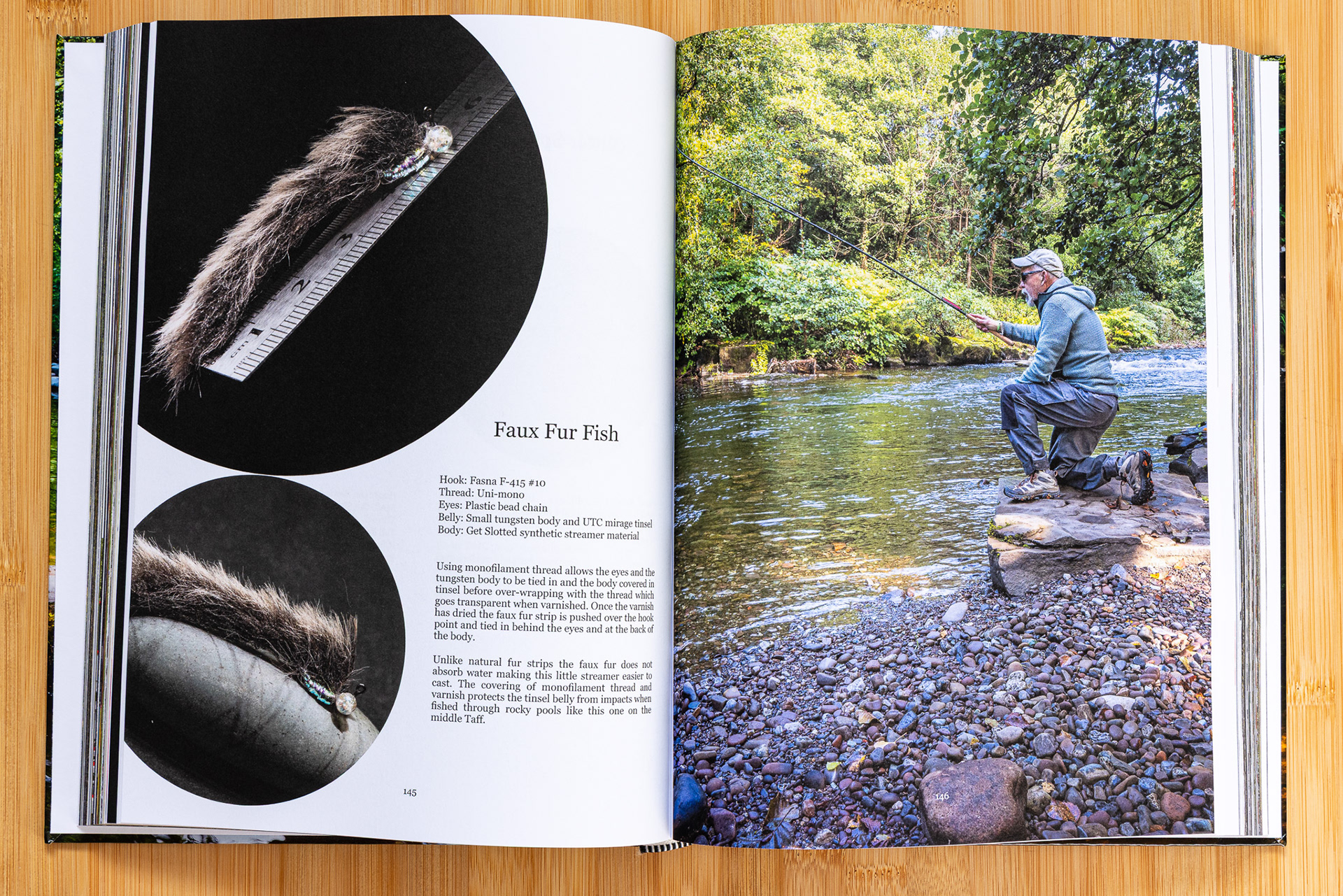
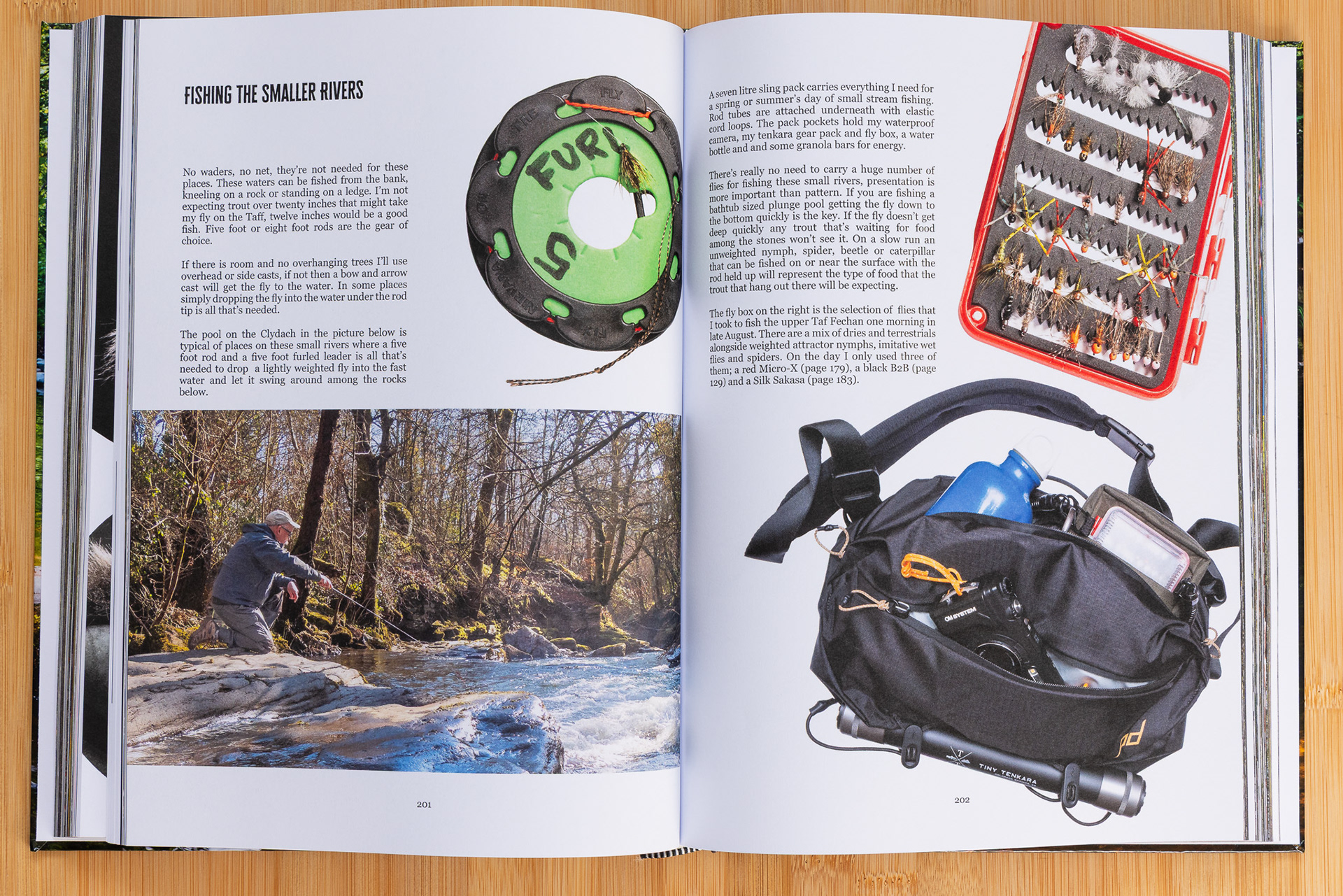
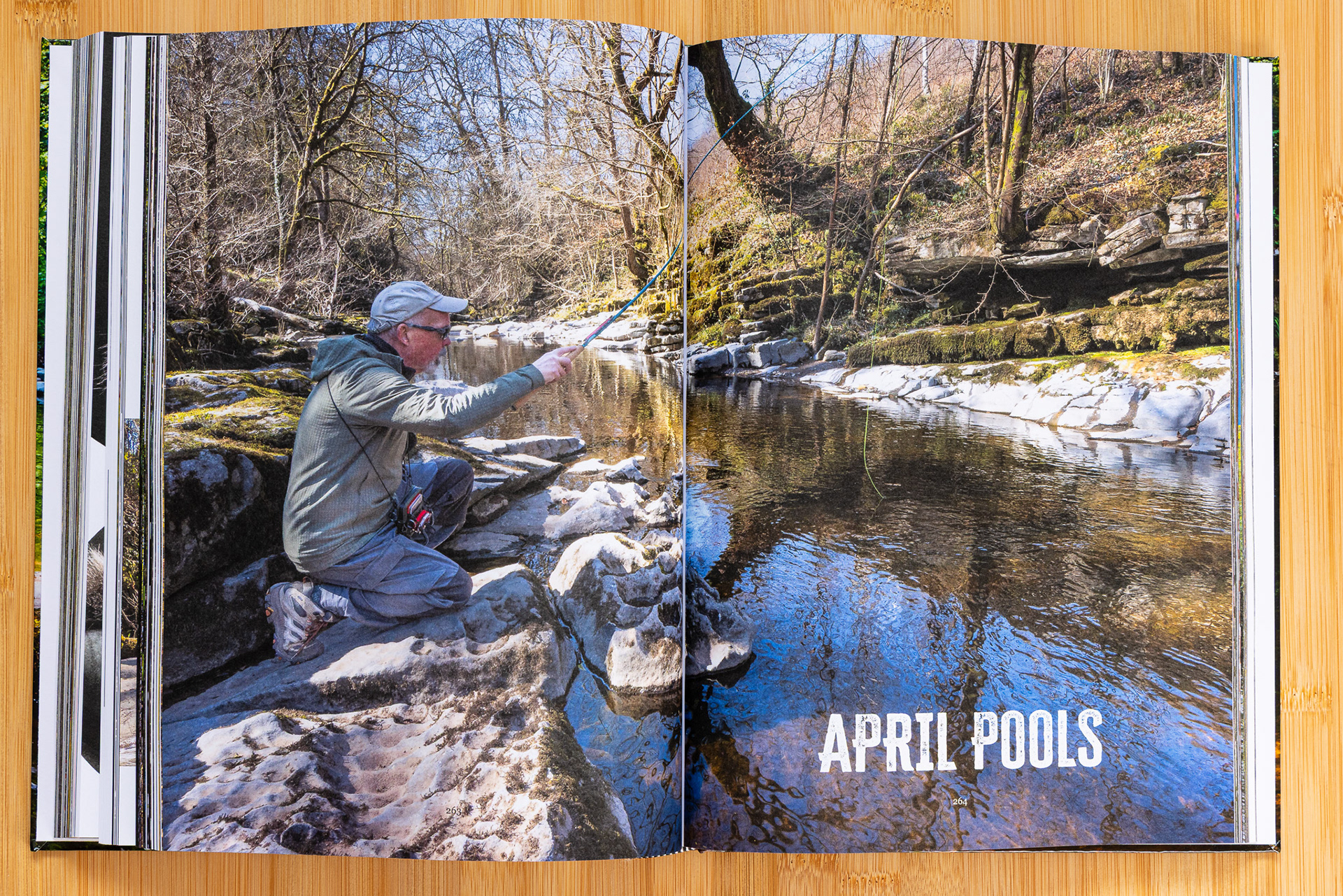
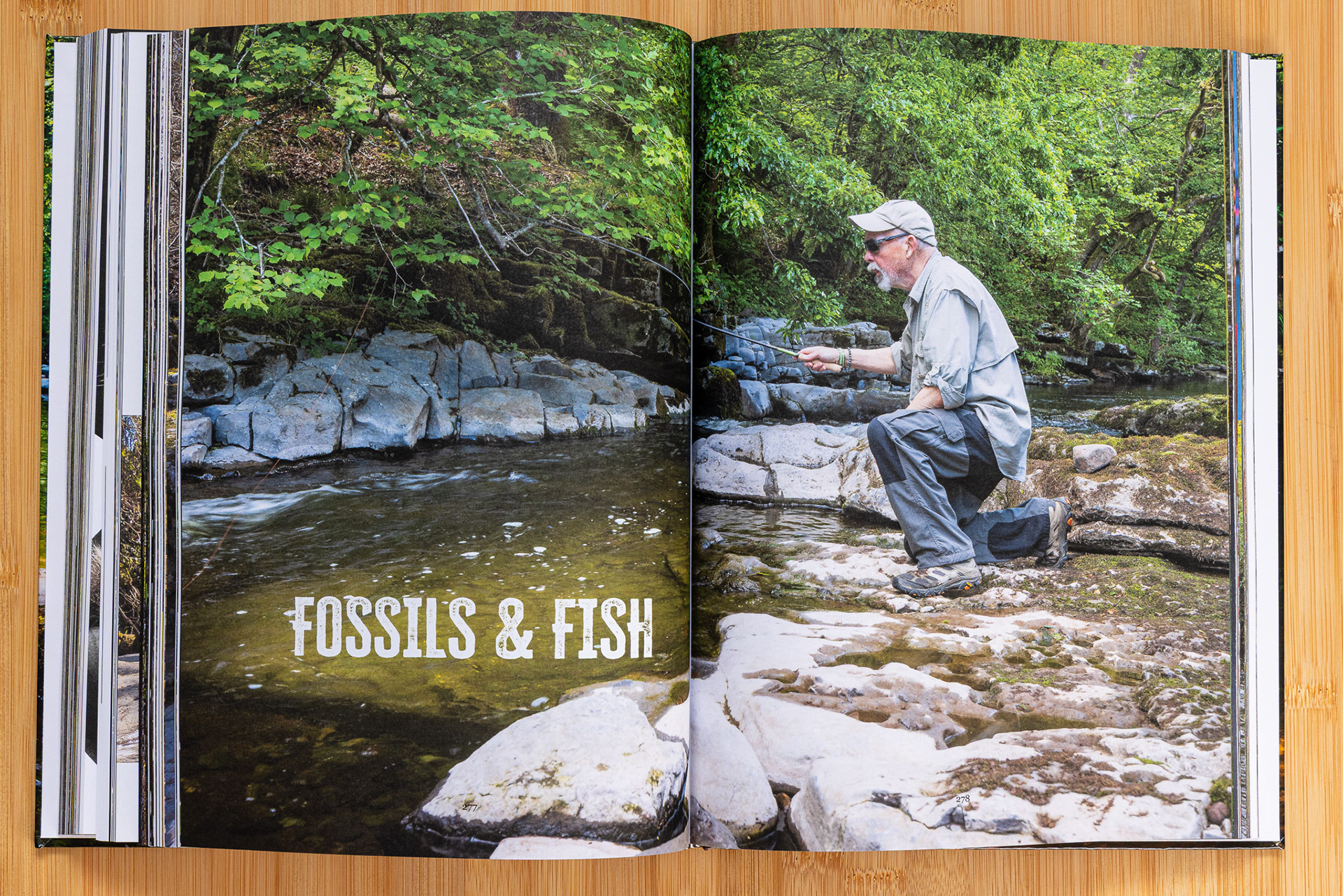
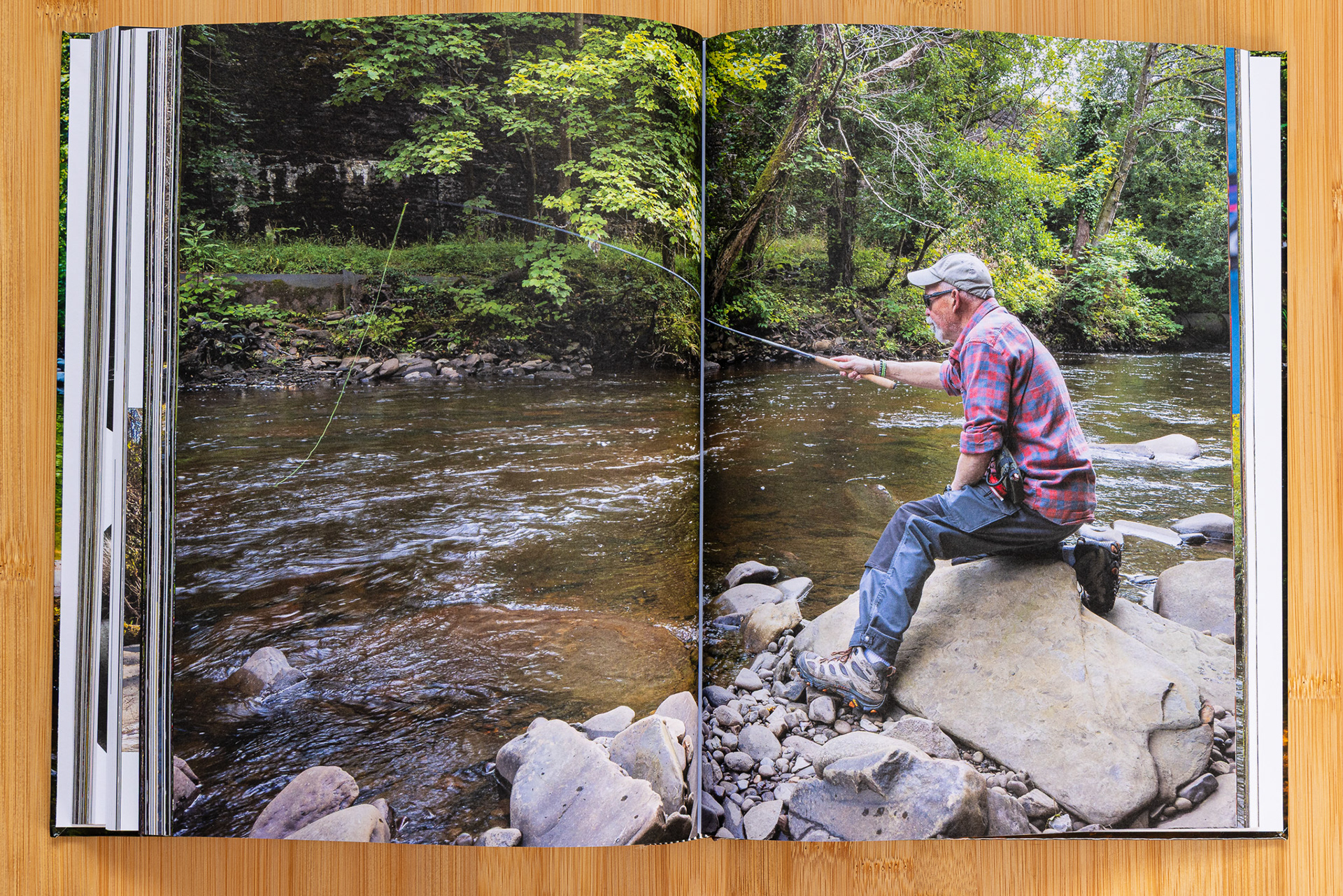
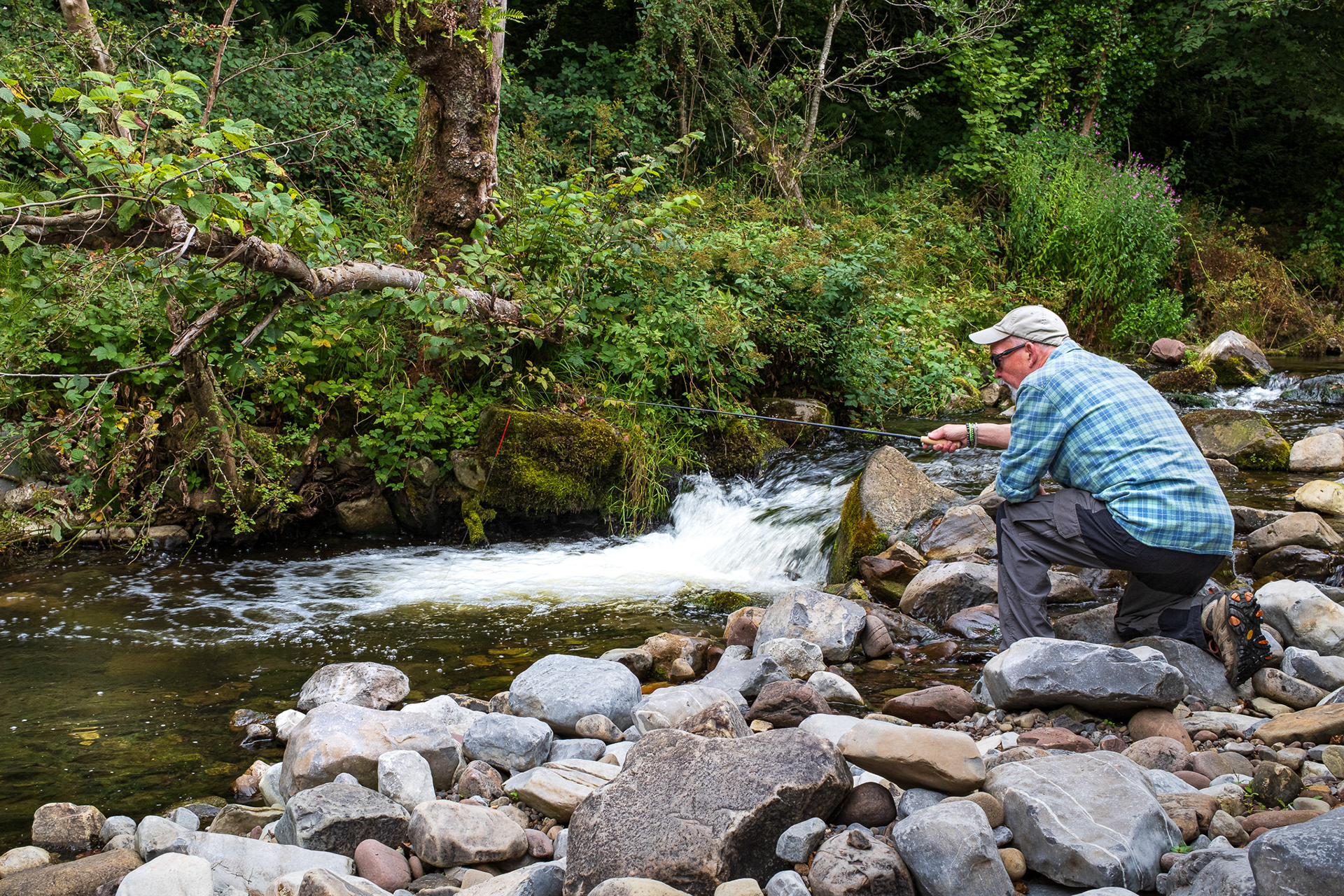
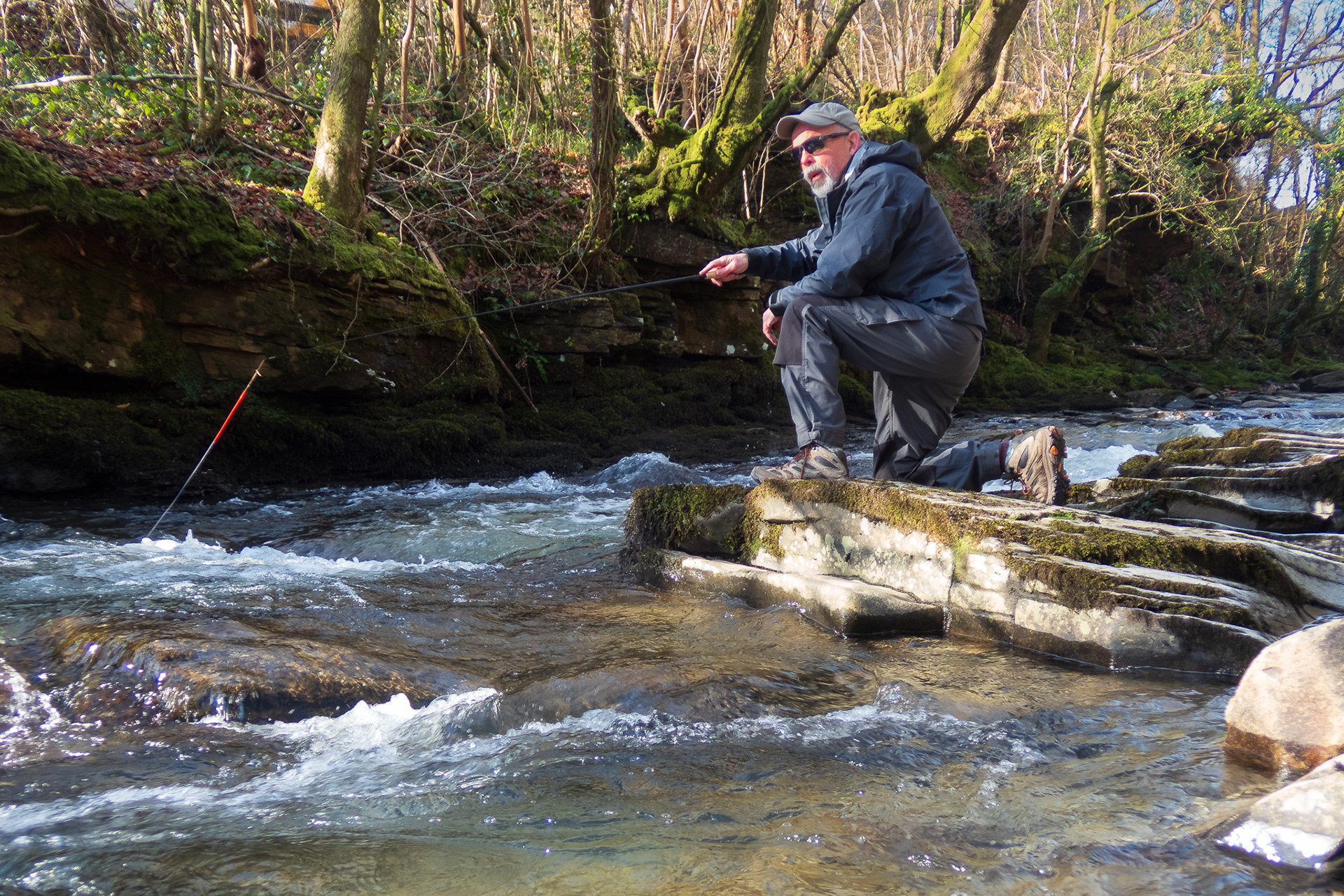
To guide his Source to City journey, Nick wields a carefully-chosen quiver of tenkara rods. Tenkara is an ancient style of fishing that evolved among the mountain streams of Japan, wafting wisps of flies to wild trout and charr with long, delicate rods. It’s an elegant, pared-back approach, minimising materials and technology in the space between the fisher and the fish, and facilitating a sense of exploration that’s sometimes said to be psychological and spiritual as much as practical and physical. Which means it’s perfectly matched to the ethos of Nick’s full-catchment quest – as well as suited to the challenges of scrambling around the limestone gorges of the Taff’s upper reaches, and the manmade canyons of its middle and lower course. Lightweight and super-portable, tenkara tackle has traditionally helped Japanese genryu fishers penetrate high mountain streams that other anglers cannot reach; in the same way, tenkara eases Nick’s access to stretches of the Taff where anyone with a standard ‘western’ fly-rod and reel might hesitate to venture.
Maybe best of all, whatever the difficulties of rock-climbing and bushwhacking through ironic jungles of Japanese knotweed and other invasive vegetation along the edges of the Taff Trail, the results of Nick’s efforts – in beautiful fish, photos and quiet satisfaction – show us how post-industrial waterways can also provide unique opportunities for public access that rural rivers sometimes lack.
Throughout his days on the Taff and its tributaries, Nick encounters runners, cyclists, dog-walkers, bird-watchers, and other anglers – all of them loving the freedom to spend a few hours beside flowing water. In this time when more and more public attention is focused on access to nature for mental and physical health, and generalised right-to-roam campaigns are gathering momentum, once-unloved post-industrial rivers like the Taff already offer valuable lessons in shared-use recreation, and thoroughly deserve all the care and attention we can give them.
Supremely democratic and egalitarian, yet still too often overlooked, waters like these are precious. So I hope Nick’s wonderful book will motivate many other people, wherever they live, to pick up an old-school map, go exploring, and share and care for such rivers in common with everyone else who wanders their banks.